.svg)
Everything Breaching Demands, in One Autonomous System


Breaching is one of the most dangerous jobs a soldier can do, and our goal is to take people out of it.
In this short explainer, Forterra Chief Innovation Officer Scott Philips breaks down what the mission actually requires: sensing to find the threat, compute to process it onboard, comms to phone home, and mobility to move through it, all coordinated as one autonomous mission system to deliver breaching capability.
Full Transcript
"One of the big missions we operate is navigating minefields, or breaching. Navigating a minefield is, first and foremost, what you could think of as a dangerous job, and our goal is to take those people out of those dangerous jobs.
"You need the intelligence to recognize and understand your environment through a whole sensor suite, the artificial intelligence to detect where those mines might be, or where dangerous terrain might be. You need the computation to run all of those AI processing. You need the communications gear to phone home and tell the rest of the command: what are you seeing, kind of in a very forward position, and then intelligently make decisions as to what to do about a wildly changing environment.
"Ground autonomy is about coordinating many different systems on the ground to achieve an effect, not just move a vehicle from point A to point B."
— Scott Philips, Chief Innovation Officer, Forterra
OTHER NEWS
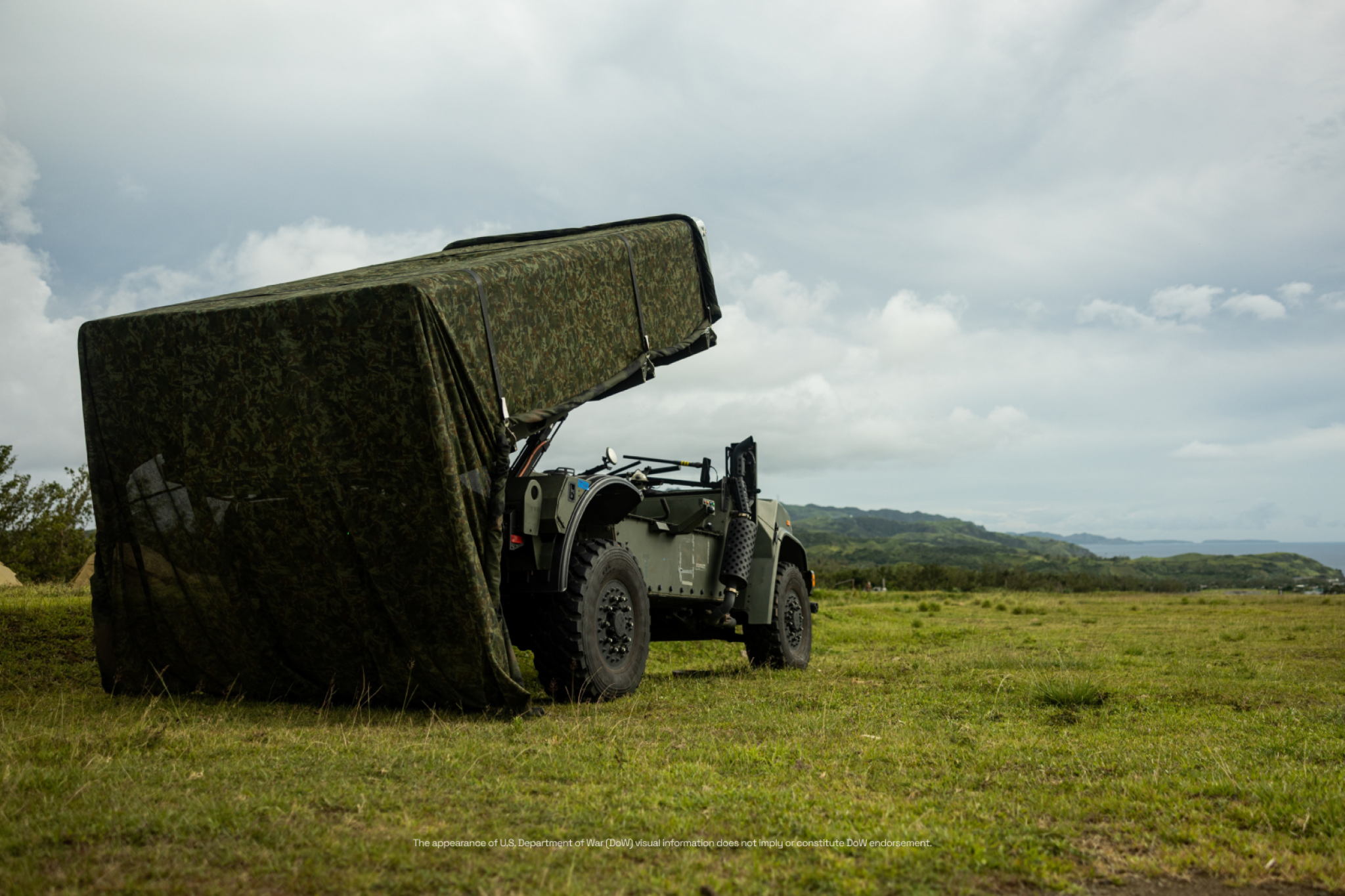

Forterra Selected as Prime Contractor for U.S. Army's Engineer Autonomous Breaching Capability Program
rEAD ARTICLE →
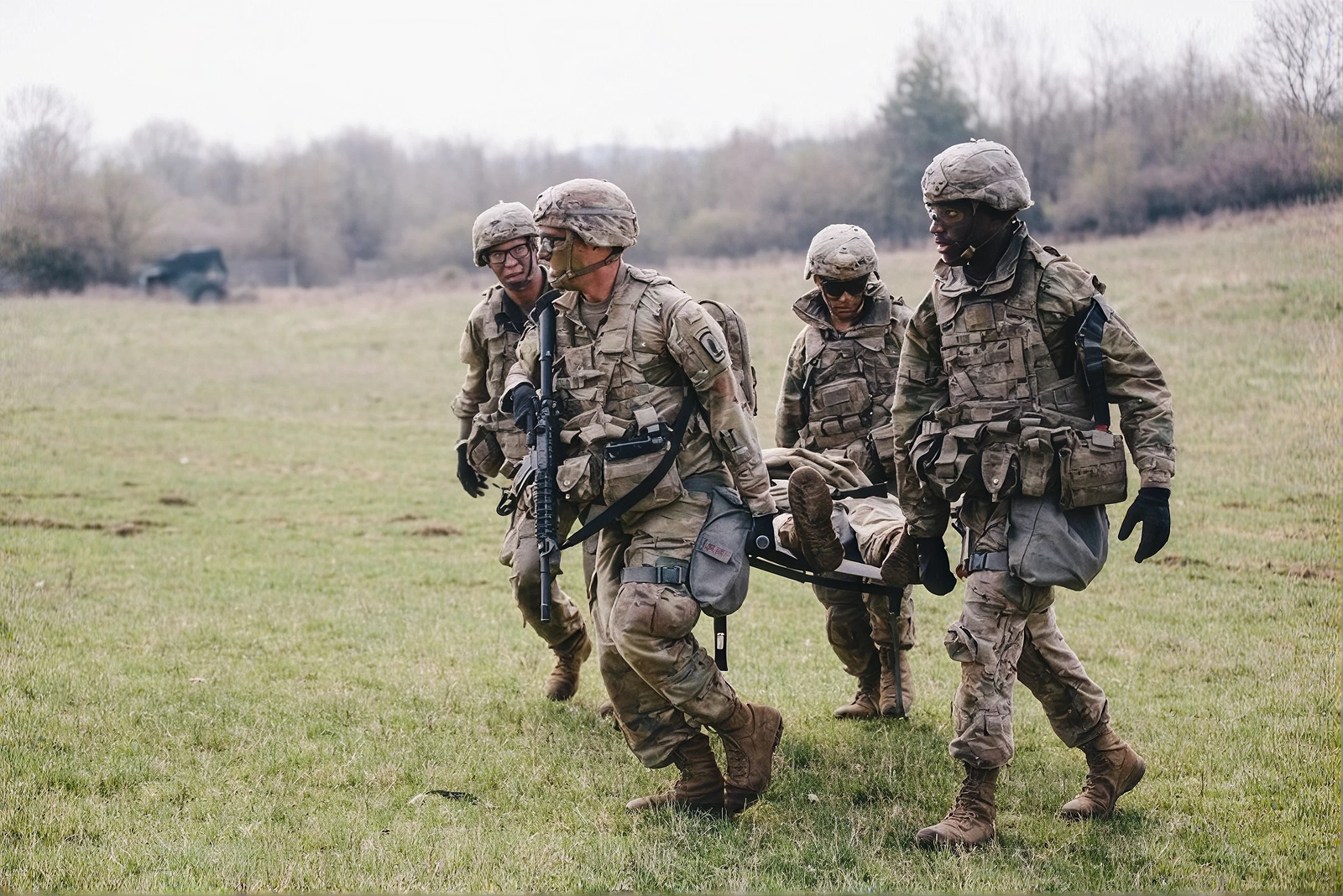
Forterra to Support U.S. Army Push to Modernize Infantry Last Tactical Mile Operations
rEAD ARTICLE →